

West Coast Balkan Music & Dance Workshop
Mendocino Woodlands, California
June 26 – July 3, 2027
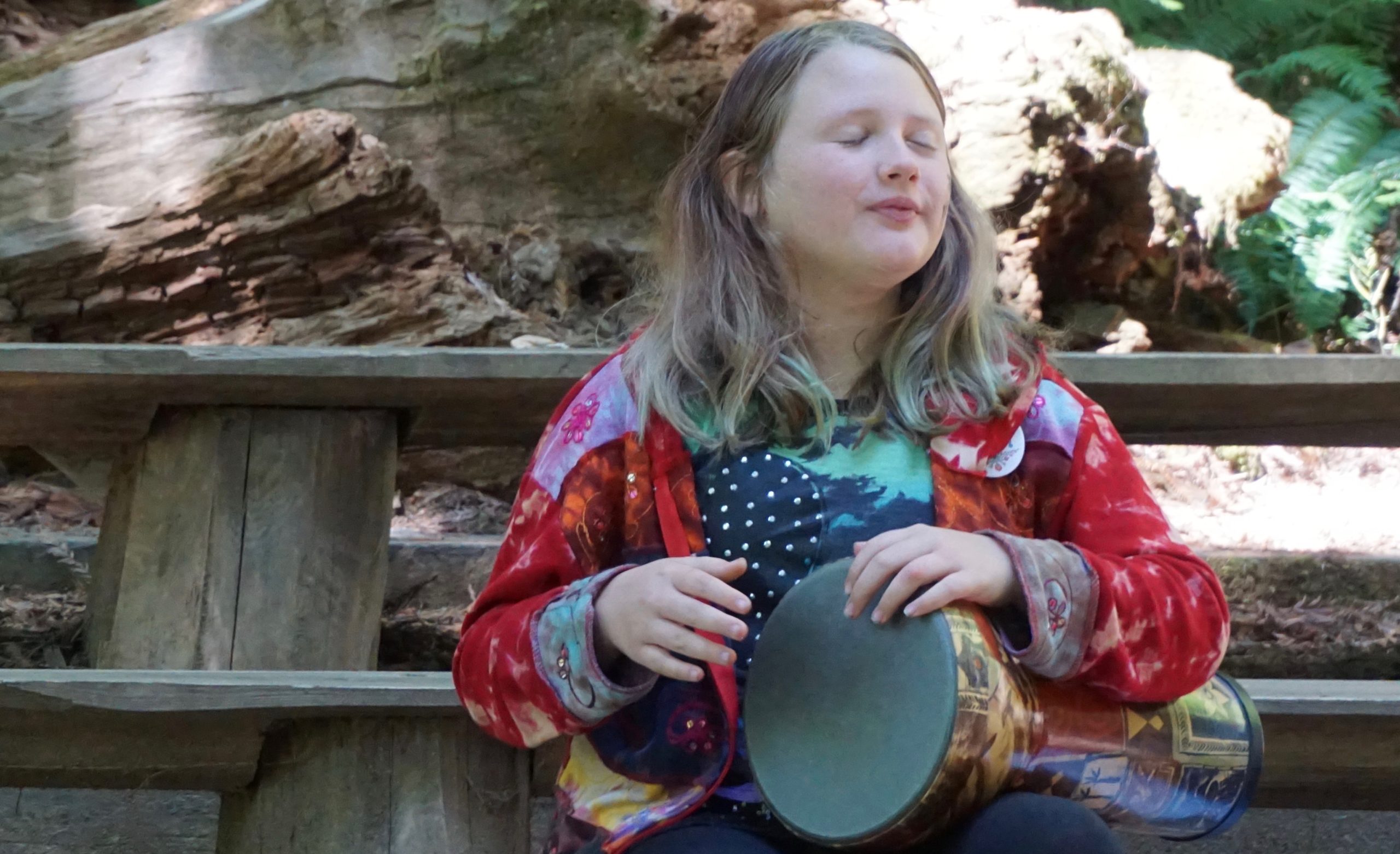
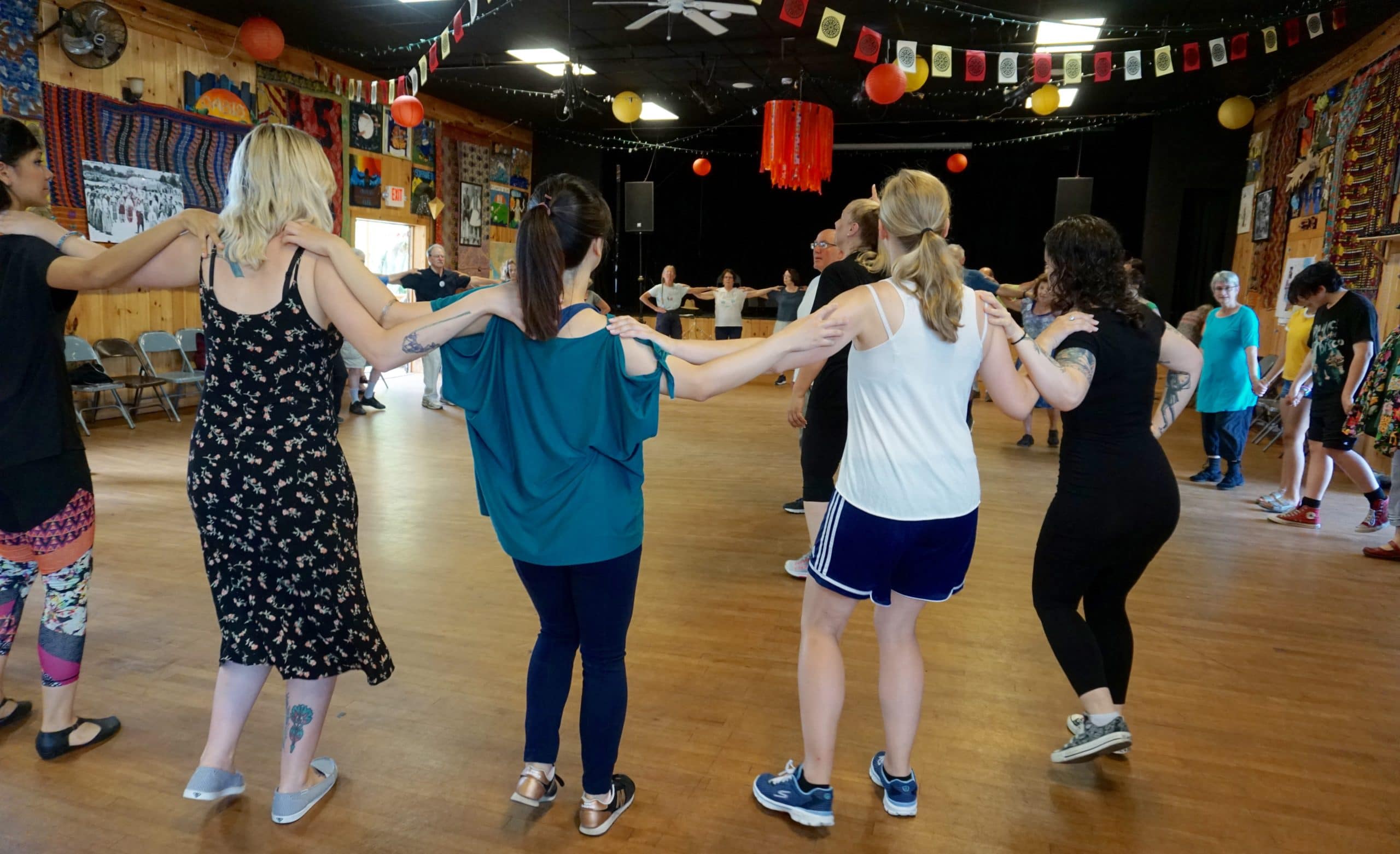
Since 1977 the West Coast edition of the EEFC’s Balkan Music & Dance Workshop has been gathering amidst the towering redwoods of the Northern California coast. Each year we welcome new friends along with old, as musicians and dancers and those who love them come together with our extraordinary teaching staff for a memorable week. Our rustic setting makes for a true getaway. Our programming offers numerous opportunities to learn, and our welcoming and warm atmosphere creates a friendly setting for your week at camp.
The Facility
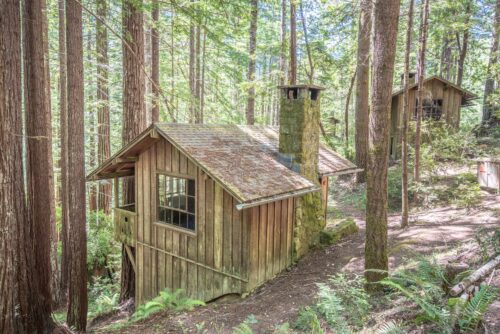
The Mendocino Woodlands is located in a beautiful redwood forest near the Northern California coast, 175 miles north of San Francisco. A half an hour inland from the scenic coastal town of Mendocino, our camp has three clusters of rustic (no electricity), four-person enclosed cabins on somewhat hilly terrain with stone fireplaces and balconies, a spacious dance hall, and plenty of tenting sites. Each cluster has its own bathhouse with lights and hot showers. Between classes you can hike in the forest or take a dip in the swimming hole in the nearby river.
The Workshop
The Mendocino Workshop runs from Saturday evening to the next Saturday morning. Classes begin Sunday morning, and are held each day through Friday. Following a review session Friday morning, participants have the option to perform in a student concert. The week closes on Friday with a Balkan-style lamb roast and the last of the week’s great evening parties. We have part-time attendance options available.
The Program
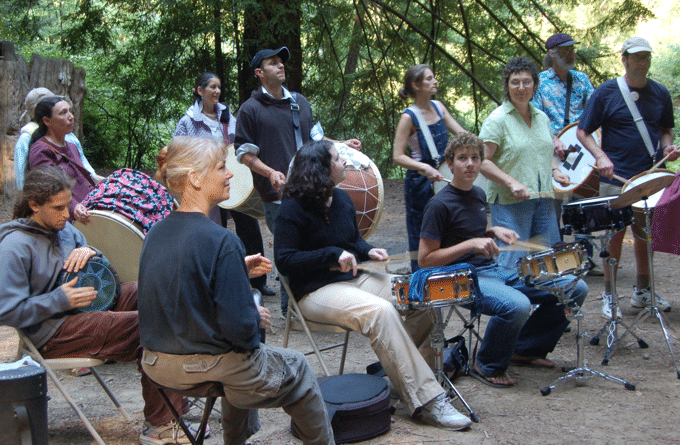
A broad array of instrumental, vocal, ensemble, and dance classes at all levels are offered across five daily 75-minute class slots. We provide an instrument-lending program to enable new students to get started on harder-to-find village instruments. In the early evenings the program includes folklore presentations and panel discussions, group sings with musical accompaniment, and our fun, community-building auction. Live-music dance parties featuring our world-class staff musicians will rock your socks in the dance hall, and the party continues late into the night in our more intimate cafe-bar, the kafana, featuring a variety of staff and camper musical sets, from the sublime to the floor-stomping. See a sample daily schedule.
Food
The workshop features three delicious meals a day and an evening snack, with selections to please both omnivore and vegetarian tastes.
Families
We welcome families! The Mendocino workshop features a youth band and kids’ dance and singing classes; and children are also welcome and encouraged to take adult classes, according to their capabilities. Find more info on Kids at Camp.
Work Exchanges
Mendocino camp runs smoothly thanks to a hard-working crew of work exchange campers, who receive a partial tuition waiver (or a full waiver in some cases) in exchange for their labor. More information on 2027 work exchange opportunities will be available when general registration begins in the spring of 2027.
Evening Parties
You may attend just the evening parties, which usually begin at 9 p.m. The cost is $70 per person. Admission includes the evening dance party and late-night Kafana activities until 2:30 a.m. (no overnight accommodations). Registration for 2027 evening parties will be available when general registration is open in the spring.
Cost, Registration, and Other Information
Registration for the 2026 workshop is closed and camp is over. Workshop registration for 2027 will be open in the spring of 2027. Stay tuned! Workshop updates are announced through our email Newsletter (sign-up if you haven’t already), the EEFC listserv discussion group, and on our Facebook page.
2026 Teachers
Staff listings are subject to update and change.
Dance

Stoyan Getsov
Bulgarian Dance
Stoyan Ivanov Getsov, born in Plovdiv, Bulgaria, was so captivated by learning Bulgarian folk dances and music in elementary school that, in third grade, when he had to choose between gymnastics...Read More
Janetta Redžić
Balkan Dance
Born and raised in the Bay Area, Janetta's Bosnian roots have always been a central part of her identity. She began folk dancing at the age of six with the group Sevdah, where Bosnian folk dance...Read More
Danny Staveris
Greek Dance
Danny Staveris was born in Lodi, California, and began Greek dancing at the age of five. His first performance took place at Children’s Fairyland in Oakland, where his mother made him a...Read MoreInstruments & Ensembles
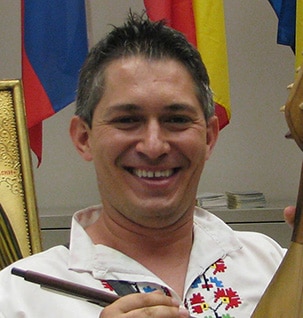
Angel Dobrev
Gadulka
Angel Dobrev was born in the town of Omurtag in Bulgaria. He plays the gadulka (Bulgarian: гъдулка), which is a traditional Bulgarian bowed stringed instrument. He expressed an interest in...Read More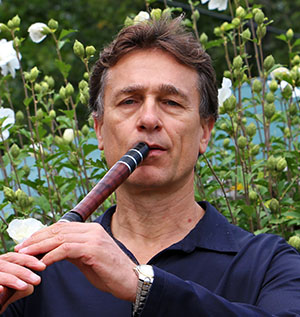
Valeri Georgiev
Bulgarian Kaval
Valeri Georgiev is from the Bulgarian Danube town of Ruse. He studied kaval in Kotel with Stoyan Chobanov and Georgi Penev, and graduated from the Plovdiv Academy of Arts with a BA degree in...Read More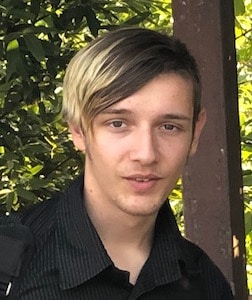
Bobby Govetas
Beginner Ensemble; Tapan/Daouli
Bobby Govetas is an accomplished percussionist, performing on daouli and drum kit. He is equally at home playing the subtle rhythms of Macedonia and Thrace as he is rocking out with his friends....Read More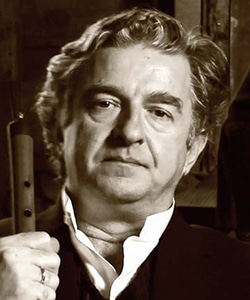
Christos Govetas
Greek Clarinet
Christos Govetas was born in the village of Proti, in the province of Serres in Greek Macedonia. After emigrating to Boston in 1978 he joined the Rebetiko band Taxími as a bouzouki and baglama...Read More
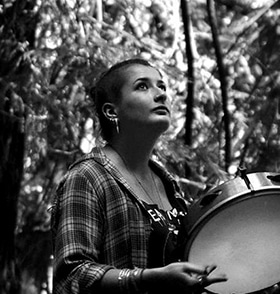
Eleni Govetas
Greek Ensemble
Eleni Govetas was born into the musical Govetas family, and has been immersed in the music from day one. She began performing with her family at the age of nine, and has continued to pursue...Read More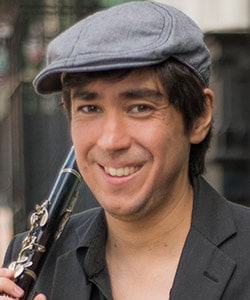
Greg Masaki Jenkins
Beginner Ensemble; Rebetika Ensemble
Greg Masaki Jenkins is a second-generation American Balkan folk dancer who grew up at the Balkan Music & Dance Workshops. He gigs regularly throughout the San Francisco Bay Area with the...Read More
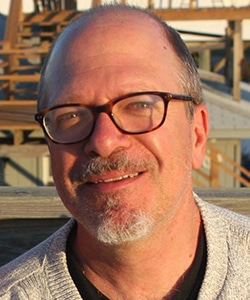
Jerry Kisslinger
Tapan/Daouli; Ensemble Percussion Coach
Jerry Kisslinger has played tapan/daouli for Balkan and folk-dance community events, concerts, and festivals throughout the United States for many decades and has taught regularly at EEFC camps...Read More
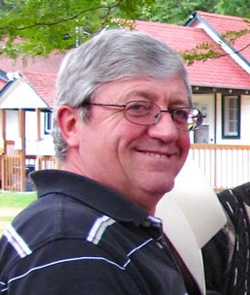
Stoyan Kostov
Bulgarian Tambura
Stoyan Kostov has been playing Bulgarian tambura for over 50 years. He graduated from the folk music school in Kotel and the Plovdiv Academy of Music and Dance. Stoyan performed with Ensemble...Read More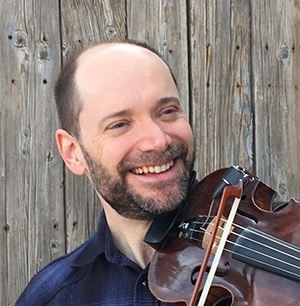
Ari Langer
Greek Violin
Ari Langer grew up in Ashland, Oregon, where he studied classical violin, performing in solo competitions and with local string quartets and orchestras. He took a sharp left turn to attend the...Read More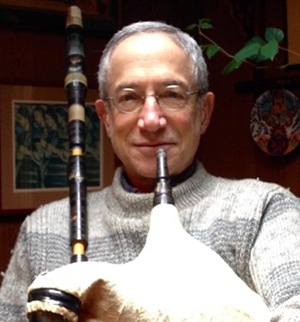
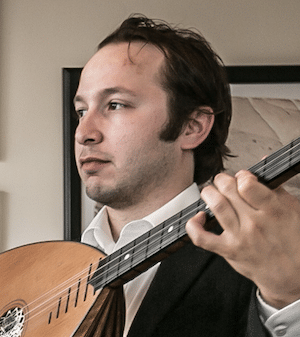
Nick Maroussis
Greek Strings; Rebetika Ensemble
Nick Maroussis is a musician based out of Seattle, Washington, where he grew up playing strings in various rock bands in the greater Seattle area. His involvement in the Greek community and...Read More
John Morovich
Tamburica Ensemble
John Morovich grew up in Seattle's sizable Croatian community. Since 1973, he has studied, taught, and performed traditional music and dance of Croatia and other parts of Southeastern...Read More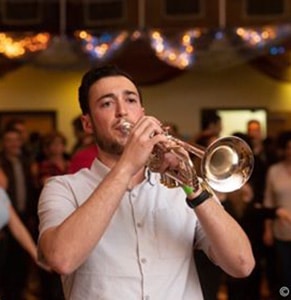
Benji Rifati
Brass Melody; Brass Band Ensemble
Benji Rifati is an American-Rom who has spent years studying trumpet from Romani masters of Eastern Europe. Immersed in Balkan music since he was a toddler, Benji was first inspired to play by the...Read More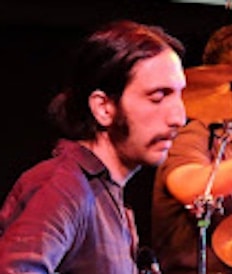
Ali Yağız Şen
Makam Theory
Ali Yağız Şen, whose stage name is Jarolim Gayri, hails from the vibrant musical landscape of Istanbul, Turkey, and is a multi-instrumentalist, pedagogue, and scholar deeply rooted in the rich...Read More
Evan Stuart
Brass Band
A second-generation Balkan enthusiast, Evan was introduced to Balkan folk music as a teenager while attending EEFC's Mendocino Balkan Music & Dance Workshop. He became infatuated immediately...Read More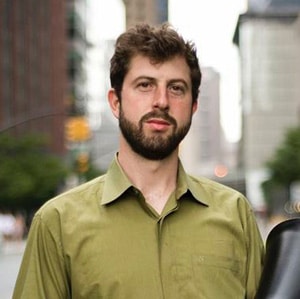
Sean Tergis
Doumbek
Drawing on a music base in folk music from the Middle East, Turkey, Greece and the Balkans, Sean Tergis brings a unique element to his drumming through many different influences. Since 2002, Sean...Read More
Ivan Varimezov
Thracian Gajda; Bitov (Bulgarian Village) Ensemble
Ivan Varimezov was born in Bulgaria, studied folk music at Kotel High School for Folk Music and received a M.A. degree in folk instrument pedagogy and choral conducting from the Plovdiv Academy of...Read MoreSinging
Christos Govetas
Greek Singing
Christos Govetas was born in the village of Proti, in the province of Serres in Greek Macedonia. After emigrating to Boston in 1978 he joined the Rebetiko band Taxími as a bouzouki and baglama...Read More
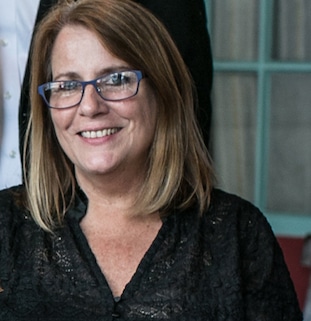
Ruth Hunter
Ipirot Songbook Favorites
Ruth Hunter began her musical career singing and playing Bulgarian folk music, but immersed herself in Greek music and culture after marrying Christos Govetas in 1995. She sings and plays...Read MoreJohn Morovich
Croatian Singing
John Morovich grew up in Seattle's sizable Croatian community. Since 1973, he has studied, taught, and performed traditional music and dance of Croatia and other parts of Southeastern...Read More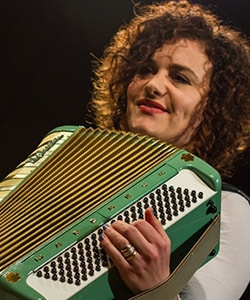
Eva Salina
Beginning Balkan Singing
Eva Salina is a mother, gardener, and a passionate interpreter and instructor of Eastern European vocal traditions. Eva was born and raised in California, spent 14 years in Brooklyn and now lives...Read More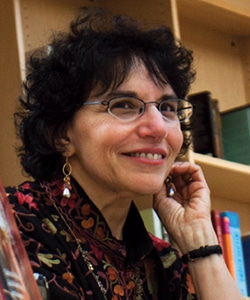
Carol Silverman
Romani Singing Beg/Int
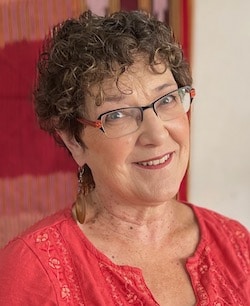
Carol Silverman has been involved with Balkan and Romani music and culture for over thirty years as a researcher, teacher, performer and educational activist. An award-winning professor of...Read More
Michele Simon
Balkan Vocal Technique 101; Balkan Vocal Technique Master Class
Michele Simon has been involved with music all of her life, and with Balkan folk music for most of it, as a dancer, singer, drummer and teacher. She was raised surrounded by music of all kinds,...Read More
Tzvetanka Varimezova
Bulgarian Singing
Tzvetanka Varimezova was born in Pazardzhik in Bulgarian Thrace, and started singing and playing accordion at age 9. She went on to master tambura and piano, and studied folk music at Kotel High...Read MoreCulture
Carol Silverman
Balkan Music, Dance, & Culture Through the Lens of Gender
Carol Silverman has been involved with Balkan and Romani music and culture for over thirty years as a researcher, teacher, performer and educational activist. An award-winning professor of...Read More
For the Kids

Darina Drapkin
Children's Activities
Darina Drapkin is a native Russian speaker, having immigrated to the U.S. over 45 years ago. Her enthusiasm, curiosity, and musical interests have led her into many genres and traditions of...Read MoreJanetta Redžić
Balkan Dance for Kids
Born and raised in the Bay Area, Janetta's Bosnian roots have always been a central part of her identity. She began folk dancing at the age of six with the group Sevdah, where Bosnian folk dance...Read MoreEva Salina
Children's Music Collective
Eva Salina is a mother, gardener, and a passionate interpreter and instructor of Eastern European vocal traditions. Eva was born and raised in California, spent 14 years in Brooklyn and now lives...Read More
All About Camp Work Exchanges
The Mendocino Workshop runs smoothly thanks to a hard-working crew of work exchange campers, who receive a partial tuition waiver (and a few full waivers) in exchange for their work.
Work exchange folks have a job at camp, like washing dishes or cleaning bathrooms. In exchange for their hard work, they pay reduced tuition (in most cases 50%) to come to camp. Some jobs require special skills, experience, or knowledge of the workshop environment, others requiring lifting or standing, etc. Others are great for first-timers or require no special skills.
The Site Manager fields work exchange requests and helps manage the work exchange crews during camp, along with crew leaders who manage the larger crews.
What’s the difference between a work exchange and a workshop scholarship?
A work exchange job means that you get assigned some work/duties at camp and in exchange some or all of your tuition costs are waived. A scholarship is different—with a camp scholarship, some or all of your tuition costs are paid by generous donors and you do not have any work duties at camp. If you have applied for and end up receiving a scholarship, you may withdraw your work exchange request. Please note that the Mendocino scholarship application period has already ended, and that scholarship decisions will be announced in April.
About the work and jobs:
Workers are required to arrive at camp by 4:00 p.m. the first day of camp and stay until 11:00 a.m. the last day. Note that we cannot accommodate part-time campers for work exchange. Work exchangers are also expected to be timely and responsible throughout the week (that means arriving to your shifts on time, getting the work done, etc.)
At Mendocino, the majority of work exchange positions are on the Dish Crew. Folks on the Dish Crew work two 90-minute shifts per day. There’s a swap meeting the first night to trade around shifts and optimize your schedule, but it’s still possible you may have to miss a class or two. Lots of the people on Dish Crew enjoy being part of a team, making friends, and having some additional structured time. (And everybody loves using the sink sprayer!) This is a great crew for first-timers, as no prior skills or knowledge of camp are required, and making new friends is quick and easy.
Other crews include Bath Crew (cleaning bathrooms/washhouses, taking out trash, some auxiliary setup of chairs/benches); Donation Store Crew (setting up, running, and closing down the Donation Store. Often includes pre-camp organizing get togethers in the Arcata area for those available); Kafana Crew (setting up, running, and closing down the Kafana. Includes lots of late-night shifts.) Other specialty jobs include the Gofer (town runs everyday for supplies), Wellness Advisor, Stage Manager and Sound Techs in the Dance Hall and Kafana, Housing, Rides, Bedding, and other admin help. Many of these positions require special prior experience at camp or in a similar role.
How to apply:
Requests for work exchange will be collected on a rolling basis through May 1st. We encourage you to make your work exchange request early to ensure we have a spot for you. Jobs may run out, and date of request is strongly considered when assigning jobs to applicants. Please note that we can only accommodate full-week campers for work exchange, and that application for a work exchange position does not guarantee a work exchange position. Applicants who are offered work exchange jobs are expected to accept the commitment and register for camp within a timely manner. We look forward to having you on the team!
Application for the 2027 work exchange team will open when general registration opens in the spring of 2027. Stay tuned!
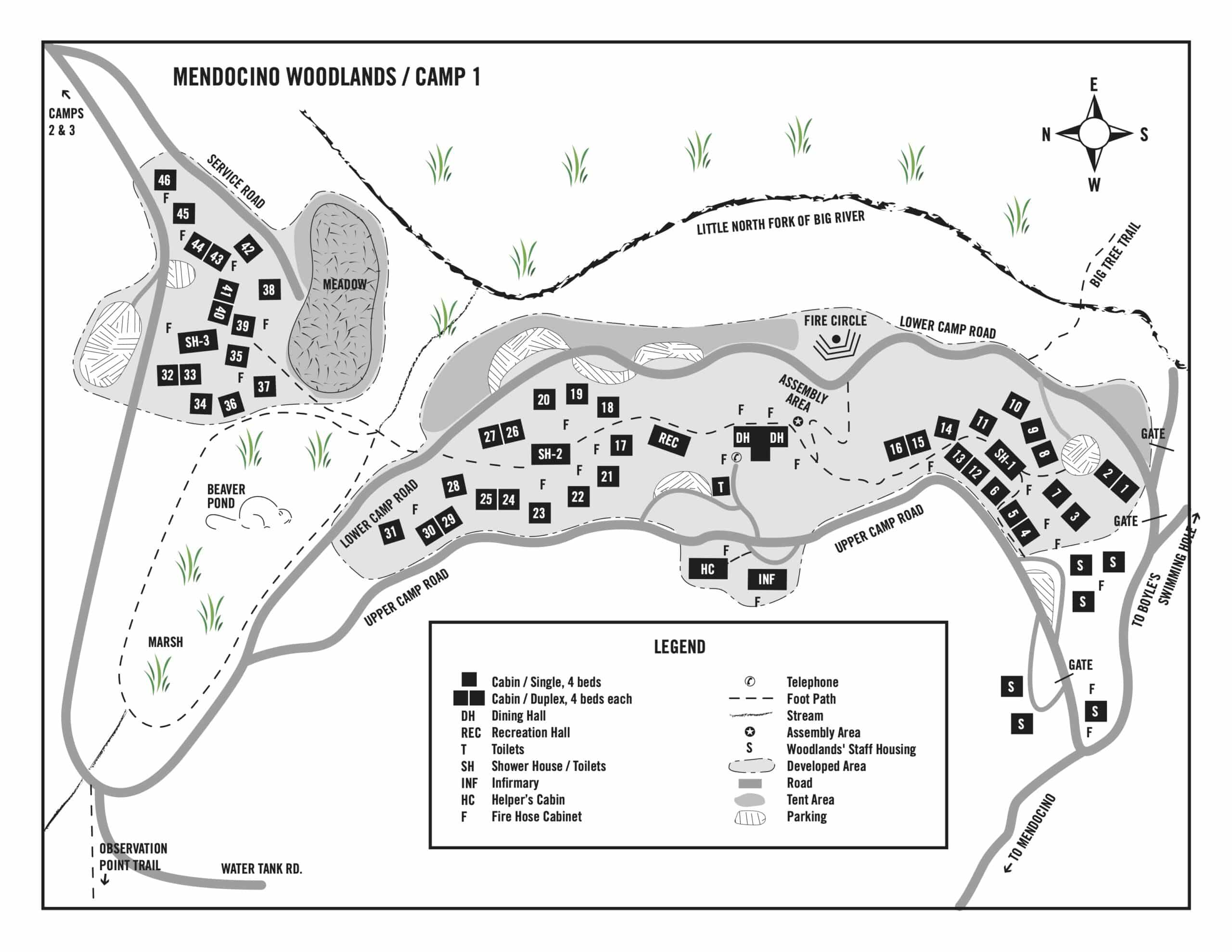
Mendocino Woodlands Camp 1 Map
Use this map to help you decide which cabin or cabin area to request on your registration form. Please note that the central section (Cabins 17-31) is generally reserved for staff.
Click here to download a full-size PDF of this map.
Getting to Mendocino
Mendocino Woodlands Camp One is in Jackson State Forest about 175 miles north of San Francisco, roughly 12 miles inland from the coastal town of Mendocino.
From the south, take Hwy 101 North to Cloverdale. Highway 101 bypasses Cloverdale, so take the Hwy 128 Fort Bragg/Mendocino exit (after a couple of Cloverdale exits). Some 60 miles later (twisty road, but gorgeous vineyard, redwood, and coastal scenery), take Hwy 1 North to Mendocino.
From the north (Oregon), take I-5 South to Grants Pass, then Hwy 199 to Crescent City. From there, take Hwy 101 South to Leggett. From there take Hwy 1 South (insanely twisty road to the coast, with the reward of breathtaking ocean views) to Mendocino.
From Mendocino, go east on Little Lake Road (Co. Rd. 408) from Hwy 1
(at stoplight) for 5.6 miles, then turn right on Co. Rd. 700 (winding dirt road). Drive for 4 miles to Camp One. Please drive slowly and carefully on this dusty road!
If you’ve never been to the Woodlands, plan to arrive before dark. Registration will be located just outside the dining hall.
NOTE: If you are driving an electric vehicle to camp, note that the Woodlands does NOT have EV-charging capabilities on site. Be sure to locate appropriate charging stations before you enter and after you exit the Woodlands. There are apps that will help you find stations, for example ChargeFinder and PlugShare.
Dine & Dance—Bed & Breakfast
Come for early evening activities, the dance party and the late night kafana. Then spend the night and enjoy breakfast before you hit the road!
Here’s how it works:
- 6:00 p.m.: Arrive at our lovely redwoods site (see Directions tab above). Check in at the Kafana and set up your bunk. Join us for a delicious dinner, starting at 6:30.
- Then take in a folklore presentation, singalong, or join in our auction. Dancing to live music begins in the main hall generally around 9:00.
- Our Kafana in the woods is a bar and a club, and a place where much music and merriment happens into the wee hours. Stay as long as you like!
- Sleep in a bunk with the bedding you brought from home.
- Roll out of bed, have breakfast by 9:30 a.m., and hit the trail by 10.
All this can be yours for $150. A cheap hotel in Ft. Bragg (forget the town of Mendocino), easily runs twice as much and provides no options for gajda, ouzo, čočeks, or çiftetelli!
HOW TO REGISTER
Registration for the B&B option will be available when general camp registration is open in spring 2027. Stay tuned!
Evening Schedule 2026
Schedule is subject to change.
Culture Corners and Group Sings begin at 7:45 p.m.
Dance parties, unless noted, begin at 9:00 p.m.
Saturday
Dance (10:00-)
- Brass—Fanfare Zambaleta
- Greek—Drómeno
Sunday
Group Sing (7:45-8:45): “Northern” with John Morovich
Dance (9:00- )
- Bulgarian—Bulgarian Staff
- Greek Brass—Mendocino Hálkina Collective
Monday
Culture: Camp Kids: Legacy & Community
Dance
- Macedonian Village—Michele Simon, Mark Levy & Jerry Kisslinger
- Zournadhes/Daouli—Govetas Family
- Greek: Grevena, Island & Pontic—Ari Langer
Tuesday
Auction Night (dance party begins around 10:00 p.m.)
Dance
- Rhodope Sing-Along—Mark Levy & Gaida Mafia
- Bulgarian—Bulgarian Staff feat. Tzvetanka Varimezova
Wednesday
Group Sing: “Southern” with Michele Simon
Dance
- Tamburica—John Morovich
- Turkish—Kara Üzüm
Thursday
Group Sing: Ipirot with Ruth Hunter
Dance
- Bulgarian—Bulgarian Staff
- Romani—Benji Rifati
Friday
Student Ensembles play for your dancing pleasure (dance party begins at 8:00 p.m.)
Daily Schedule 2026
Schedule is subject to change.
CLASS LEVELS
- Beginner (B): You are new to this instrument/singing style.
- Intermediate (I): You have some proficiency: can match pitches, accurately replicate phrases heard by ear, and play at speed.
- Advanced (A): You have technical mastery: you are focused on stylistic details and self-expression.
If you are interested in a class that is not at your level, you can always audit! Please remember that the pace of instruction will not be geared to you, and hold your questions till the end of each session. If a class does not have a designated level, all are welcome!
CLASS SCHEDULE 2026
SLOT 1 (9:30-10:45)
Dance: Bulgarian—Stoyan Getsov
Sing: Vocal Technique Intro—Michele Simon
Instrumental:
- Vioin—Ari Langer
- Bulgarian Tambura A—Stoyan Kostov
Kids: Children’s Activities—Darina Drapkin
SLOT 2 (11:00-12:15)
Dance: Greek—Danny Staveris
Sing:
- Balkan Singing Survey—Eva Salina
- Croatian/Klapa—John Morovich
Instrumental:
- Tapan B/I—Jerry Kisslinger
- Doumbek A—Sean Tergis
- Brass Melody—Benji Rifati
Ensemble:
- Bitov (Bulgarian Village)—Ivan Varimezov
- Rebetika—Greg Jenkins & Nick Maroussis
Kids: Children’s Dance—Janetta Redžić
SLOT 3 (2:00-3:15):
Dance: Balkan for Everyone—Janetta Redžić
Sing:
- Bulgarian I—Tzvetanka Varimezova
- Greek—Christos Govetas
Instrumental:
- Tapan/Daouli I/A—Bobby Govetas
- Bulgarian Kaval I—Valeri Georgiev
- Gadulka A—Angel Dobrev
Ensemble: Greek—Eleni Govetas
Culture: Balkan Music, Dance, & Culture Through the Lens of Gender—Carol Silverman
SLOT 4 (3:30-4:45):
Dance: Greek—Danny Staveris
Sing:
- Greek Ipirot—Ruth Hunter
- Vocal Technique Master Class—Michele Simon
Instrumental:
- Gadulka B—Angel Dobrev
- Bulgarian Kaval B—Valeri Georgiev
- Greek Clarinet—Christos Govetas
- Bulgarian Tambura B—Stoyan Kostov
Ensemble:
- Beginner Ensemble—Greg Jenkins & Bobby Govetas
- Tamburica—John Morovich
Kids: Youth Music Collective—Eva Salina
SLOT 5 (5:00-6:15):
Dance: Bulgarian—Stoyan Getsov
Sing:
- Bulgarian A—Tzvetanka Varimezova
- Romani B/A—Carol Silverman
Instrumental:
- Greek Strings—Nick Maroussis
- Makam—Yagiz Sen
- Thracian Gaida—Ivan Varimezov
- Doumbek B—Sean Tergis
Ensemble:
- Brass Band—Benji Rifati & Evan Stuart
- Macedonian Village—Mark Levy
Quick Links
Balkan Music & Dance Workshops
West Coast Camp
East Coast Camp
Scholarships
Online Classes & Events
Join the Circle
Donate
Volunteer
Newsletter Signup
Discussion List
Facebook
Instagram
Youtube
What’s Happening
Get in Touch
EEFC
P.O. Box 12488
Berkeley, CA
94712-3488
510/219-5462
office@eefc.org
Contact Form
Follow Us


