
Kids at Camp
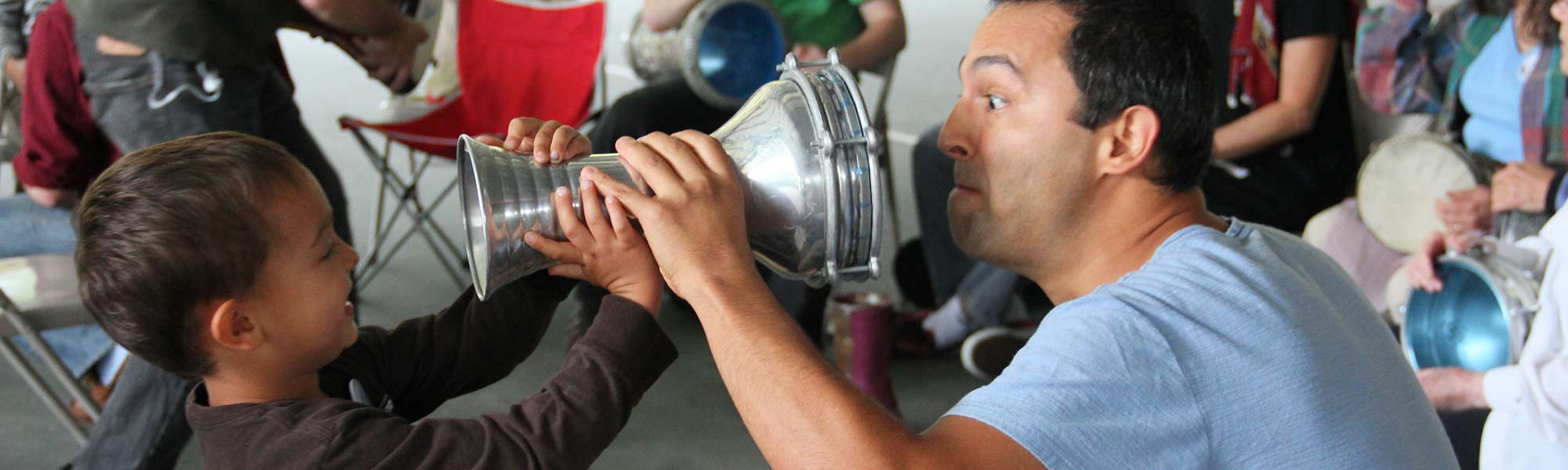
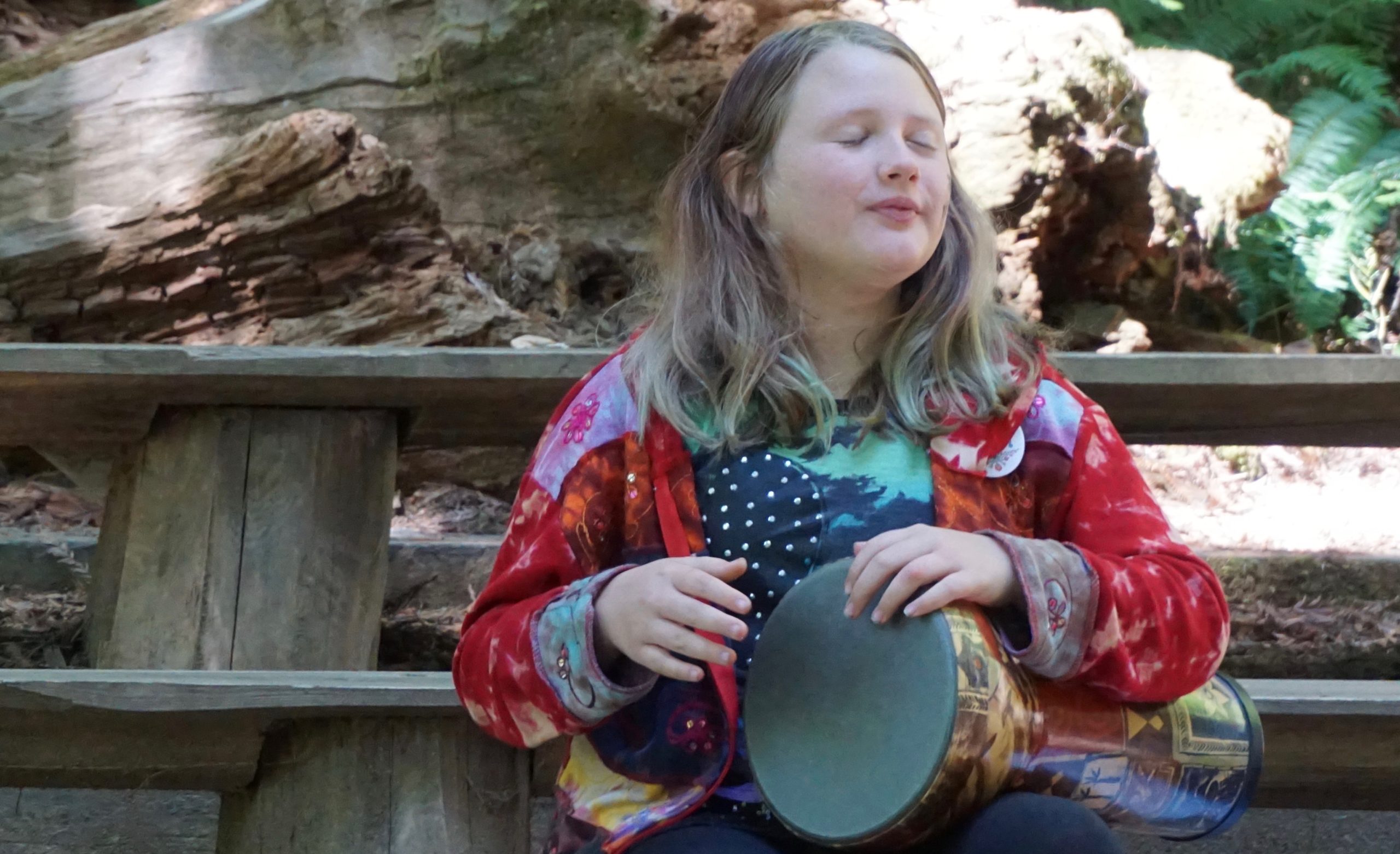
Every year, we hear from kids and their parents that camp is an amazing and exciting place that they look forward to 11 months out of the year. The presence of children and families at camp contributes immensely to the village feeling of our workshops, and we believe children in our community provide hope for the future. Keeping camp an inclusive and safe place for kids is a top priority for the EEFC, and for that to work we need dynamic participation, oversight, and support from parents and guardians.
What to Expect
We welcome your kids!
Both East and West Coast camps take place in big outdoor spaces with water, woods, and wilderness. Regardless of whether your children are in class or on their own they are your responsibility, and we want them to be safe while having a blast. At camp they are still your kids!
Parents’ and kids’ meeting
To help make the week successful, parents, guardians, and kids meet on the first full day of camp to get to know each other and review the ground rules. This meeting is a great time to find the parents of other kids your child’s age, and even work out mutual childcare arrangements that will enhance your own camp experience.
Children’s programming
There will be up to four sessions daily exclusively for children. Unless your child requires constant parental oversight, in most cases that means that you (parent or guardian) may deliver your charge at the start of the session and meet them at the end.
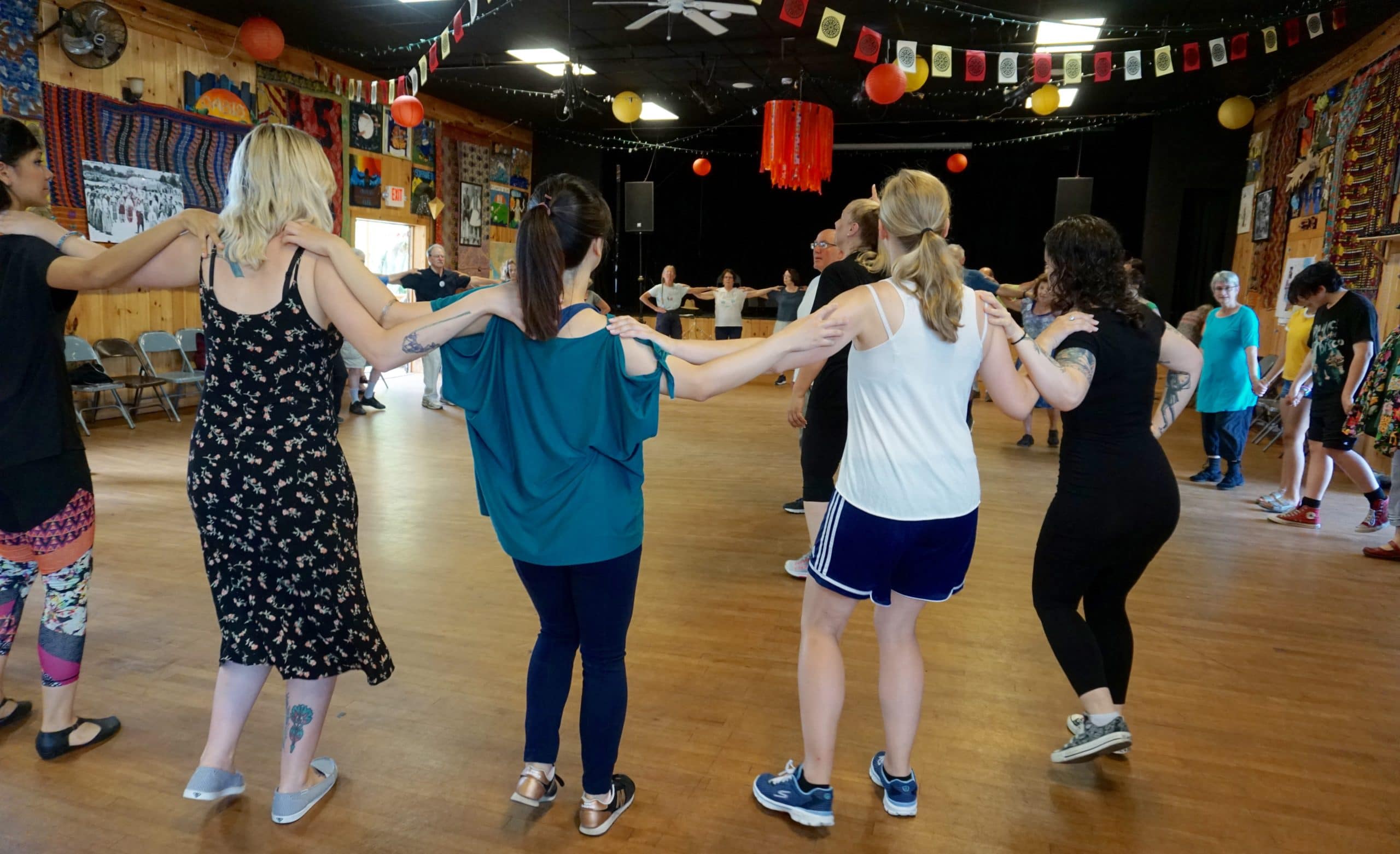
There are almost always activities organized by parents and other adults that kids can take part in at each workshop, and kids are part of the evening dance party scene and the kafana. In short, there’s always lots to do for everyone.
EEFC Policies & Forms for Minors
We want everyone at camp to be safe, including our kids. When your children aren’t in a camp class session you are responsible for them—whether you are with them or have coordinated a childcare arrangement. If your child is found in a dangerous situation, unsupervised, we will let the parent or guardian know.
If a child is allowed to remain unsupervised in a dangerous situation after his or her parent or guardian has been warned by the Site Manager, the Site Manager has the authority at his or her discretion to ask the family to leave the camp. We don’t ever want to have to invoke this authority, so please, if in doubt, do reach out before camp to the Mendocino or Iroquois Springs Family Liaison (see links below), who can answer your questions and connect you with other parents and guardians who are bringing kids to camp. After you get to camp, the parent/kid meeting on Sunday will provide you with more information, and give you a chance to ask any other questions you may have.
Children attending without a parent or guardian need to have a temporary guardian.
For all children who are 12–17 who wish to come to camp without a parent, their guardian must fall within one of these categories:
- An adult relative who is at least 22
- An adult family friend who is at least 22 AND who has attended camp before
- An adult teacher the child has worked with for 6 months or more
For all children under 12 who wish to attend camp without their parents, their guardian must fall within one of these categories:
- A relative over 25 (such as a grandparent, aunt, sibling) who has experience taking care of the child for extended periods. Ideally this relative has been to the workshop before.
- A family friend over 25 who has attended camp before and will be there with his or her own children
These guidelines are based on our experiences with children attending camp without their parents, and the tensions that can (very naturally) arise. We don’t want to put guardians in difficult positions. If his or her charge starts to show some bad decision making, or inappropriate behavior, we want the guardian to feel completely comfortable laying down the law, reiterating the consequences of misbehavior, and being 100% supportive of any decision the Site Manager or other EEFC administrator makes regarding disciplinary action, which could include asking the child and guardian to leave. These kinds of situations can put siblings or cousins who are acting as a guardian in a difficult position, and that’s why we ask that he or she be at least 22. In fact, this policy is the same for parents—if a child needs to leave camp as a result of his or her behavior, his or her family must also leave. Our guardian permission form and agreement must be evaluated and agreed to by the Site Manager before the minor’s registration can be confirmed.
The Family Liaison is your point of contact before camp if you have questions about these guidelines, or want more information about how to make your child’s experience at the workshop a positive one. Contact links:
Iroquois Springs Family Liaison
Forms required for minors (under 18)
Parent/Legal Guardian Agreement Forms
We MUST have Parent/Guardian Agreement forms on file for every minor (child under the age of 18) who attends our workshops. There are no exceptions. These forms must be submitted to our office 4 weeks before the beginning of camp.
Complete the Parent/Guardian Agreement Form online or download the form and mail it to the address below.
Temporary Guardian Form
If your child is attending the workshop with a temporary guardian you must submit this form to the EEFC. Download the Temporary Guardian form, complete and return by mail it to the address below.
If you have any questions or problems with these forms, please contact us.
Community Agreements Around Kids at Camp
The EEFC and Teachers:
- Aim to provide three classes per day dedicated to kids and youth.
- Share safety information about our camp sites
- Work to ensure that camp is safe for children and families
- Affirm that kids are welcome in adult classes, at the instructor’s discretion. Any teacher may set an age or skill limit for their class, or request that a parent accompany their child to class.
- Do not provide a full “kids’ summer camp” experience, and do not expect our teachers to be camp counselors or babysitters.
- Designate a board Family Liaison who can be the point of contact for any questions or difficulties around kids at camp.
- Recognize every camper’s right to show up as their full selves, including respecting names, pronouns and personal space. Speak to and about others with kindness.
Parents and Guardians:
- Understand that the kids’ class teachers are teachers, not camp counselors or babysitters. This is age-appropriate music and dance education, not child care.
- Understand that this is a place for kids to experiment with boundaries, and that you must set appropriate boundaries for your child/family.
- Know your kids, including how they behave when unsupervised. We don’t require direct parental supervision for children of any age, but we do expect kids, like all campers, to behave according to the values of our community. If that means your kids need supervision this year, please provide the appropriate supervision.
- Understand that it is within the rights of other campers, including teachers in class, to ask you to supervise your child.
- Check in with instructors about your kid’s unsupervised participation in their classes, and be prepared to collaborate with them to ensure a good experience for everyone.
- Understand the situational hazards present at camp, e.g. roads, wildlife, pool, lake, river.
- Respect your fellow camper: not only other adults, but children too. No corporal punishment at EEFC gatherings.
- Know that you can expect all campers to respect the presence of your child.
- Recognize every camper’s right to show up as their full selves, including respecting names, pronouns and personal space. Speak to and about others with kindness.
Kids and Teenagers:
- Respect common areas: no yelling or running in the dining halls, respect classes in session, respect the band and dancers in the dance hall.
- Respect the needs of the adults who are also here to learn, dance, play, and have fun—just as they are asked to respect your needs.
- Be aware of the situational hazards at camp: roads, wildlife, pool, lake, river, etc.
- Recognize that older kids have more responsibilities, including to younger kids. Please keep in mind that you are automatically a role model to younger kids who are around you.
- Understand that our alcohol policy follows state law: no one under 21 may drink or possess alcohol at camp. This helps ensure your safety, and protects the EEFC from legal liability so we can continue to hold camps.
- Recognize every camper’s right to show up as their full selves, including respecting names, pronouns and personal space. Speak to and about others with kindness.
All Community Members:
- Please understand the importance of kids at camp: this is about inclusivity, community, and the longevity and health of our organization. You are welcome to create or seek out adults-only spaces anytime you need to, but remember that multi-generational community is the reason our camps continue to exist and thrive!
- Understand that camp is a place for kids to experiment with boundaries.
- Understand that kids are welcome in many classes, as determined by the teacher, and that some of your fellow students might be children.
- Respect the needs of your fellow campers, adults and children, just as they are asked to respect your needs.
- Know that it is within your rights to ask parents to supervise their child. You can also bring any concerns to the Family Liaison, a board member who has volunteered to help with family issues.
- Be mindful if you’re interacting with teenagers: you are responsible to them, just as they are responsible to the younger kids. This is especially true for younger adults, who often serve as role models for teenagers.
- Recognize every camper’s right to show up as their full selves, including respecting names, pronouns and personal space. Speak to and about others with kindness.
Frequently Asked Questions About Kids at Camp
What are the rules?
Your children will be appropriately supervised when they are in scheduled children’s classes or activities (though parents, especially of younger children, often enjoy helping out). At all other times, children are the responsibility of their parents or guardians. Our workshops are great experiences for kids, but they are not set up like a traditional children’s camp. There are no counselors, there is no curfew, teachers expect that kids who attend adult classes can learn in an adult setting, and the majority of our participants are adults. That means that parents carry some significant responsibilities for their kids, including knowing where their children are at all times, having them sleep in your cabin every night, and making sure that their kids are making good decisions about where they are and what they’re doing when they are not in class. Check out the previous tabs for more information about the workshops, and the guidelines and responsibilities of kids and parents at the workshops.
Can kids attend the adult classes on their own?
If you think your child can attend a class without an adult, please talk to the teacher in advance, and check in with him or her periodically to see how your kid is doing. Depending on your children’s personality and the class structure, they may need you to be there with them during class time—the teacher will make that decision.
Is babysitting available?
Yes and no. The camp staff does not include babysitters, but parents generally help one another out by sharing childcare duties throughout the week. Teenaged campers are often available for hire as babysitters, and some families plan in advance to sponsor a teen’s attendance at a workshop in exchange for babysitting. If you want to plan for a babysitter in advance, it’s helpful to use the EEFC listserv.
Kids: My minor child wants to come, but I can’t come myself.
Minors can attend workshops without their parent(s) if they have a designated guardian who meets our guidelines, and who will be present at the workshop for the entire time that the minor will be there. Note that any guardian or parent attending camp must register and pay tuition in the normal fashion. See the previous tab for more information about parent/guardian guidelines.
Quick Links
Balkan Music & Dance Workshops
West Coast Camp
East Coast Camp
Scholarships
Online Classes & Events
Join the Circle
Donate
Volunteer
Newsletter Signup
Discussion List
Facebook
Instagram
Youtube
What’s Happening
Get in Touch
EEFC
P.O. Box 12488
Berkeley, CA
94712-3488
510/219-5462
office@eefc.org
Contact Form
Follow Us


